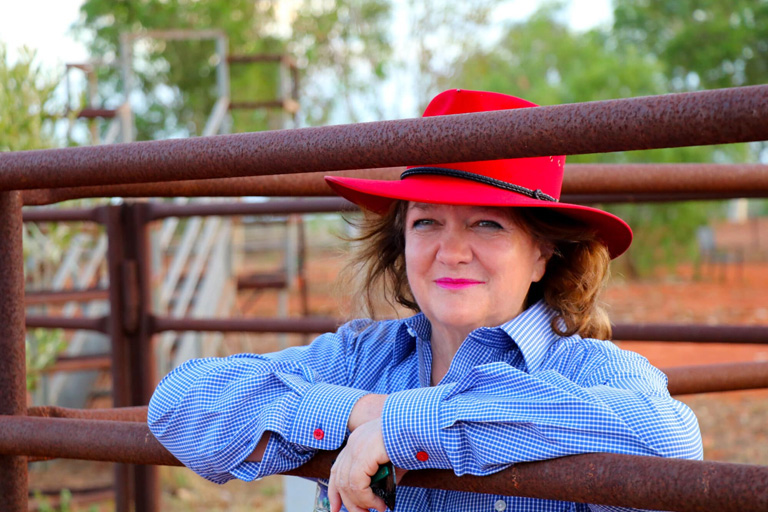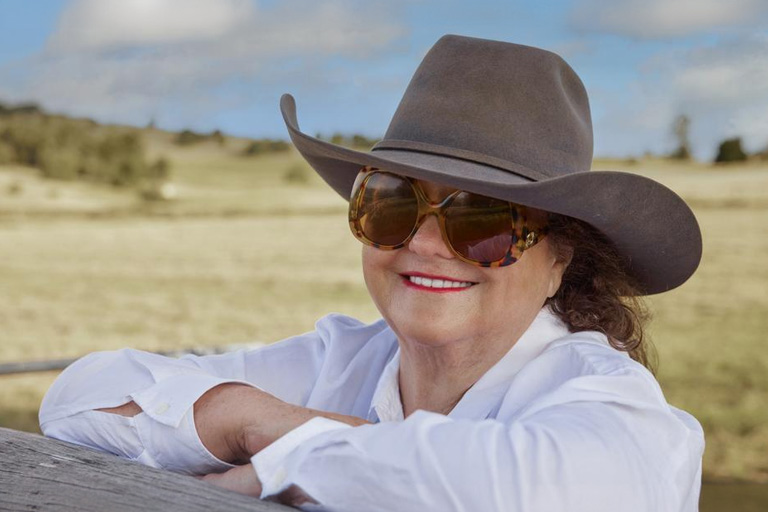

Gina Rinehart says the government should cut or remove the fuel excise, arguing high petrol and diesel taxes are adding to inflation and putting extra pressure on households, farmers, small businesses and regional Australians.

Australia’s fuel crisis will endure long after the end of the Iran war, the head of the International Energy Agency says, in a stark warning that life won’t “get back to normal” for some time, as Anthony Albanese pleads with the mining industry to prioritise national security and be “constructive” with government.

Mining and farming industries face more turmoil as plants on either side of Australia making a key explosives and fertiliser ingredient shut down.

Mining magnate Gina Rinehart says that in the midst of a global oil shock, the federal government should stop treating petrol and diesel as a “luxury purchase” and end the 52 cents per litre excise tax.

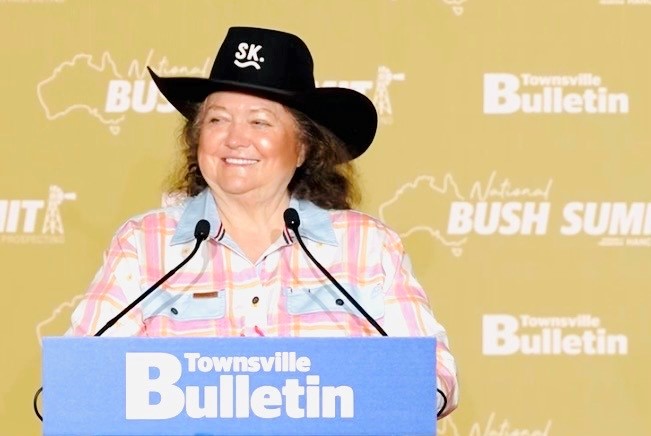
S.Kidman, represented by Adam Giles, was also there to provide plenty of support, including lucky table prizes of the Kidman Palm Hat.

Morgan Stanley says Australia is one of the countries most exposed to the fallout of an extended conflict in the Middle East, pointing to an outsize reliance on imported oil and warning of a hit to earnings.

The NT Cattlemen’s annual conference brings pastoralists, industry together during tough times. Read what’s planned.

Rural Australians say their communities are falling to pieces following the devastating effects of renewable energy.

A 1762ha portfolio of cotton and grain farms has been snapped up by four local buyers for $19m in total. See the details.

Australia’s 90-day fuel reserve target is based on net imports, not total use. The argument is that real fuel security would come from boosting Australia’s own oil and gas production and refining capacity.

Australia’s fuel security vulnerabilities are no longer theoretical. Despite official assurances that supply remains stable, concerns from farmers, regional communities and supply chain leaders suggest the country is dangerously exposed. Industry leaders argue years of ideology-driven energy policy and ignored warnings have left Australia vulnerable at a time of growing geopolitical and economic risk.